

Historical Activities
Westport House
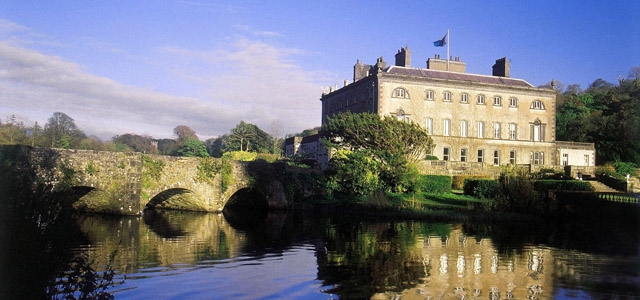
Westport House is one of Ireland's most beautiful, privately owned, 18th century historic homes that is open to members of the public. It is situated in a magnificent parkland setting, with a lake, terraces and gardens overlooking Clew Bay.
As well as the magnificent historical and cultural aspects Westport House and Country Park has to offer, there is also a wide range of other fun attractions and facilities (suitable for a variety of age groups) available to the day visitor:
• Net Park
• Giant Slides
• Climbing Tower
• Treasure Island Express (train rumble through the jungle)
• The White Swan (pedal boats)
• Pitch n Putt
• The Dungeons (at Westport House)
• Westport House
As well as the magnificent historical and cultural aspects Westport House and Country Park has to offer, there is also a wide range of other fun attractions and facilities (suitable for a variety of age groups) available to the day visitor:
• Net Park
• Giant Slides
• Climbing Tower
• Treasure Island Express (train rumble through the jungle)
• The White Swan (pedal boats)
• Pitch n Putt
• The Dungeons (at Westport House)
• Westport House
 Clare Island
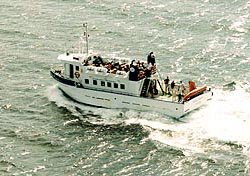
Boat trip to Clare Island. This is the largest island in Clew Bay. It comprises 4,053 acres, is 5 miles long and 3 miles wide. As you arrive into the harbour on Clare Island, the first thing that will strike you is the beautiful sandy beach to your right, which makes an ideal playground for children and provides for safe swimming.On the rocky headland at the harbour is the square tower which served as Grace O’ Malley’s (Granuaile’s) castle. Clare Island was the stronghold of this remarkable 16th century O’ Malley clan chieftain who lived by her family trade of piracy and plunder.
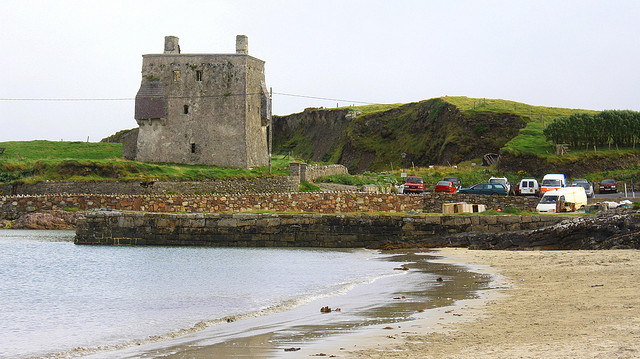 Other interesting sights on the Island are:
• The remains of a 19th century Napoleonic signal tower is situated at the western tip of the island.
• The sea cliffs are among the most dramatic on Ireland’s north west coast. They provide suitable nestsites for thousands of sea birds during the summer months.
• Clare Island possesses one of the most diverse geologies in all of Europe and incidentally is the location of Ireland’s oldest fossil.
• The 12th century Cistercian abbey contains a remarkable series of medieval wall and ceiling paintings.
The Céide Fields
The Céide Fields are the oldest known field systems in the world, over five and a half millennia old. It is a unique Neolithic landscape of world importance, which has changed our perception of our Stone Age ancestors. The remains of stone field walls, houses and megalithic tombs are preserved beneath a blanket of peat over several square miles. They tell a story of the everyday lives of a farming people, their organised society, their highly developed spiritual beliefs, and their struggle against a changing environment beyond their control.Visit the multi-award winning Centre, which has exhibitions, audio-visual show and tearooms and take a guided tour with our professional guides and discover a buried wall for yourself using a centuries old method of probing.

Ballintubber Abbey
Ballintubber's history goes back to pre-Christian times. When St Patrick brought Christianity to Ireland in c.441AD, he founded a church at Ballintubber. The present Abbey was founded in 1216 by King Cathal O'Conor.It is the only church in Ireland still in daily use that was founded by an Irish king.
Turlough – Museum of Country Life
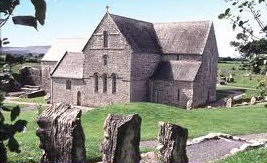
Experience the story of Irish country life between 1850 and 1950 through the innovative combination of artefacts and displays, archival video footage and interactive screens. The exhibition consists of a wide range of artefacts dealing with agriculture, fishing and hunting, clothing and textiles, furniture and fittings, trades and crafts, transport, calendar customs, leisure and religion.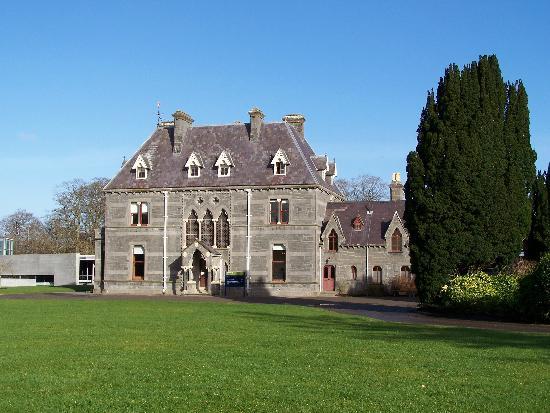
Kylemore Abbey
A Benedictine monastery founded in 1920 on the grounds of Kylemore Castle, in Connemara. The abbey was founded for Benedictine Nuns who fled Belgium in World War I. The original castle was built between 1863 and 1868 as a private home for a wealthy politician from England. Notable features of the abbey are the neo-Gothic church (built between 1877 and 1881), a miniature replica of Norwich Cathedral, made from local green Connemara marble, and the Victorian walled garden.
Foxford Woollen Mills
Step back in time to see how life was in Foxford in the 1890's. Meet Mother Agnes Morrogh Bernard, the Irish Sister of Charity who founded the Woollen Mills in 1892. The tour also includes a visit to the working woollen mill where skilled craftspeople can be seen producing the world famous rugs, blankets and tweeds.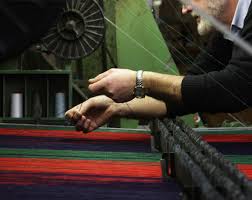
Connemara Heritage Centre
This award winning heritage centre is situated near Clifden – in the depths of Connemara. It offers a unique insight into the history and heritage of this most beautiful part of the West of Ireland. The students will be given a guided tour with turf cutting and other demonstrations. During a tractor ride(!) they will be shown reconstructions of a crannóg, a ring fort and a clochaun. They will watch a history presentation on “Connemara through the ages” & take part in some Connemara challenges - horseshoe throwing, tug of war and more!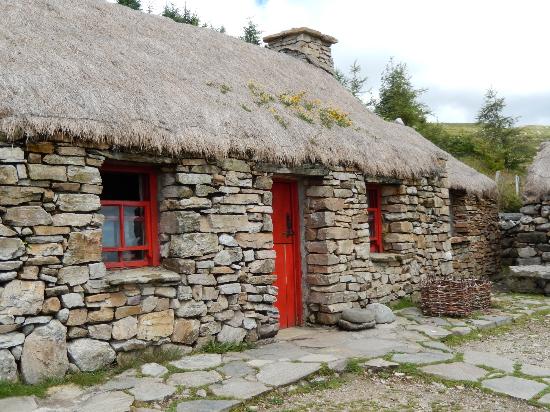
Ashford Castle
Visit the stunning castle that dates back to 1228 and was once the estate of the Guinness family, the luxurious 5 Star Ashford Castle first opened as a hotel in 1939 and has been voted not only one of the best hotels in Ireland by the most discerning guidebooks, but also one of the top 50 resort properties in Europe. Located in the heart of Connemara, very close to where the famous film “The Quiet Man” was filmed, the scenery is breathtaking.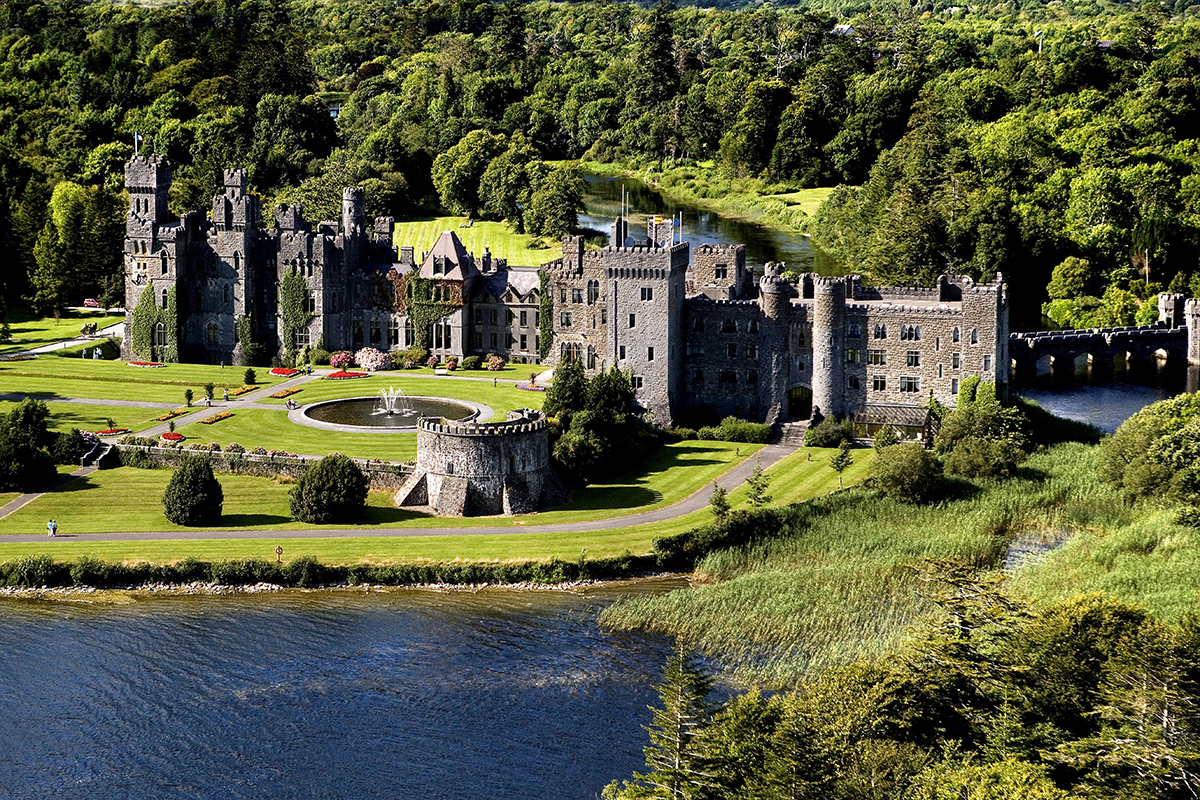
Inchagoill Island Cruise
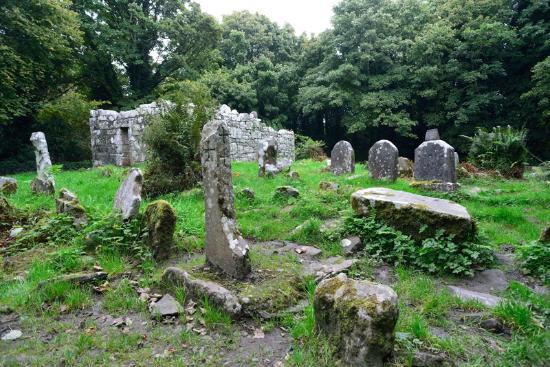
The largest lake in the Republic of Ireland is called Lough Corrib. Measuring 68 sq. miles and with 365 islands, this lake is one of the cleanest, most un-spoilt and most scenic in all of Europe. A cruise through this unique waterway is a must while visiting the West of Ireland.Having left Ashford Castle, the boat "Isle Of Inisfree" briefly visits Lisloughery quay from where passenger steamers once operated. Visit Inchagoill Island, The Jewel in the Crown – an Island lost in time. Your cruise includes a stop-off and guided tour of the 5th and 12th Century ruins on this tranquil island.
Historic points of interest include:
• St. Patricks Church (5th Century)
• The stone of Lugna (470AD: Gravestone of St. Patrick's navigator)
• The Church of the Saints (Built in 1180AD by the Augustinian Monks of Cong)
• The burial tomb of Muirgeas O'Nioc (Archbishop of Tuam in 1128AD)
© 2015 Kate's English Language School in Ireland